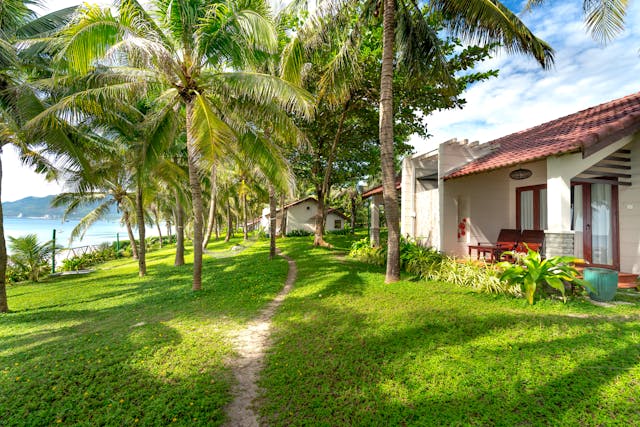
Owning a beachfront home is a dream for many Australians. The idea of waking up to the sound of waves, enjoying uninterrupted ocean views, and having the beach just steps from your front door is undeniably appealing. However, buying coastal property involves unique considerations that go beyond those associated with standard residential real estate.
Whether you’re searching for a holiday retreat, an investment property, or a permanent seaside residence, doing thorough due diligence is essential. Many buyers exploring premium coastal communities such as Lennox Rise are drawn to the lifestyle benefits of beachfront living, but it’s equally important to understand the practical realities that come with owning property by the ocean.
Before making a purchase, asking the right questions can help you avoid costly surprises and ensure your beachfront home delivers the lifestyle and value you’re expecting.
Is the Property at Risk of Coastal Erosion?
Coastal erosion is one of the most important factors to consider when buying a beachfront home. While ocean views are desirable, proximity to the water can sometimes mean increased exposure to shifting shorelines.
Ask the following questions:
- Has the property experienced erosion issues in the past?
- What coastal protection measures are in place?
- Are there local council reports or environmental studies about shoreline stability?
Local councils often maintain records on erosion trends and coastal management plans. Reviewing these documents can provide valuable insight into the long-term sustainability of the property.
What Are the Flood and Storm Surge Risks?
Beachfront properties can be more vulnerable to extreme weather events. Even if the home itself sits slightly elevated, storm surges and flooding can still impact surrounding infrastructure.
Important questions include:
- Is the property located in a flood-prone area?
- What is the property’s elevation relative to sea level?
- Does the council have a storm surge management plan?
Obtaining a flood risk report and reviewing historical weather events in the area can help you understand the level of risk.

Are There Special Building Regulations?
Coastal zones often have additional planning regulations designed to protect the environment and manage development risks. These restrictions may affect renovations, extensions, or rebuilding.
Before purchasing, ask:
- Are there coastal protection zoning laws affecting the property?
- Are there height or design restrictions for renovations?
- Do building materials need to meet specific coastal standards?
Salt air, high winds, and moisture can affect building durability, so many councils enforce stricter construction requirements in beachfront areas.
What Maintenance Costs Should You Expect?
Homes near the ocean require more frequent maintenance due to the harsh coastal environment. Salt spray, humidity, and strong winds can accelerate wear and tear on building materials.
Consider asking:
- How often does the exterior require repainting?
- Are fixtures and fittings corrosion-resistant?
- What maintenance has the current owner completed?
Materials such as stainless steel fittings, marine-grade paint, and corrosion-resistant roofing can significantly extend the life of a coastal home.
What Are the Insurance Costs?
Insurance premiums for beachfront properties are often higher due to increased exposure to weather-related risks.
Before buying, obtain insurance quotes and ask:
- Does the property fall within a high-risk insurance zone?
- Are flood or storm surge policies required separately?
- What excess applies for weather-related claims?
Understanding insurance costs upfront ensures there are no surprises once you take ownership.
What Access Rights Exist Along the Beach?
In Australia, beaches are typically public land. Even if a home sits directly on the coastline, public access to the beach is usually protected.
Questions to clarify include:
- Is there a public walkway or access point near the property?
- Are there any easements across the land?
- Will beach access affect privacy or noise levels?
While beachfront living offers incredible scenery, increased public activity may be something to factor into your decision.
How Busy Is the Area During Peak Seasons?
Some beachfront locations are quiet for much of the year but become extremely busy during holidays and summer months.
Before purchasing, consider:
- How crowded does the beach become during peak seasons?
- Are there nearby tourist attractions or holiday accommodation?
- Does the area experience increased traffic or noise?
Visiting the property at different times of the year can provide a clearer picture of what daily life will be like.
What Infrastructure and Amenities Are Nearby?
A beautiful beachfront location is only part of the equation. Access to essential services can greatly influence your long-term satisfaction with the property.
Important considerations include proximity to:
- Grocery stores and cafes
- Medical services
- Schools and childcare
- Public transport
- Major road access
Even buyers seeking a peaceful coastal lifestyle often appreciate the convenience of nearby amenities.
What Is the Long-Term Property Value Outlook?
Coastal real estate can be highly desirable, but it is still subject to broader property market trends and environmental factors.
Ask your real estate agent:
- How have property values changed in the area over the past decade?
- Are there planned developments that may influence prices?
- What are the long-term growth projections for the region?
Understanding these factors can help determine whether the property is likely to be a strong long-term investment.
Final Thoughts
Buying a beachfront home offers an incredible lifestyle opportunity, but it requires careful planning and informed decision-making. From environmental risks to maintenance costs and planning regulations, there are several unique factors that buyers must evaluate before committing to a purchase.
By asking the right questions and conducting thorough research, you can ensure your coastal property investment aligns with both your lifestyle goals and financial expectations. With proper due diligence, your beachfront home can become a place of relaxation, enjoyment, and long-term value for years to come.