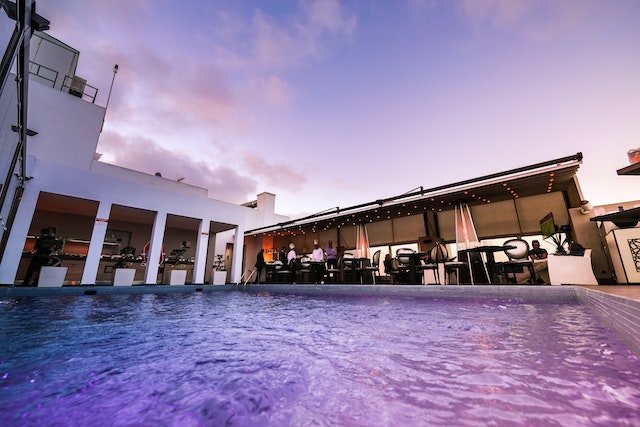
A swimming pool in Australia is a source of great pleasure which also brings responsibility and which in turn creates an element of stress for owners who are tasked with keeping it safe all the time. Because of the variation in climate change that we see between Australian regions, pool owners adjust their safety measures by season to prevent out-of-the-question harm. Summer sees families and friends congregate at the pools for cooling, also in Monsoon which brings rain, storms, and weather changes, we see increased worry. Both seasons bring challenges, and understanding management methods allows owners to keep pools safe, clean, and ready for shared use. Seasonal pool safety does not stop at maintenance work, since it exists to protect lives and keep recreational spaces secure for every user.
In summer periods, pools serve as activity centres, meaning safety measures rise to match increased usage and emotional responsibility toward children. This study reports on water quality testing, child supervision, and also that fences and gates are up to date with regard to what the authorities have set out. Pool safety inspections are a part of this which also helps homeowners identify risks before they turn into hazards that cause injury. During the monsoon season which is the time that focus turns to issues of structural integrity, water contamination and storm preparedness, so that owners may protect people and property.
Summer Safety: Coping with the Heat and Heavy Use
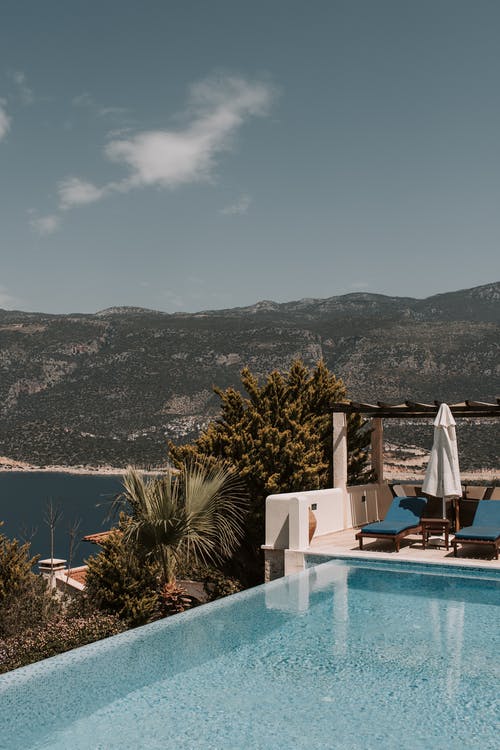
Aussie summers are notorious for their intensity. Temperatures in a lot of the country just keep on climbing. You can bet that local pools are a refuge from the heat, but that sudden increase in activity also ups the risk of accidents. Supervision is the key thing, especially when you’ve got kids around. Drowning is still the leading cause of accidental death among young kids, and constant adult eyes on the job is just non-negotiable. Beyond keeping an eye on things, pool owners need to make sure that their safety barriers are compliant with local regulations. Gates need to be the self-closing, self-latching type and fences must be high enough to stop kids (or anyone else) from sneaking in when they’re not being watched. And then there’s water quality, which is super important during summer.
Monsoon Safety: Preparing for the Wet Stuff
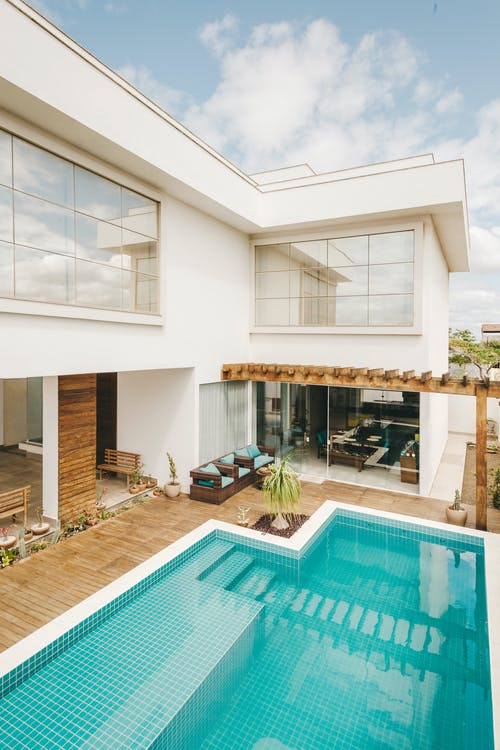
Pools in those areas have got a few extra worries to deal with. Heavy rain can cause the pool to flood, which has all sorts of negative effects, including compromising the structure and contaminating the water with all sorts of yucky stuff from the ground. And then there’s the issue of storms which can cause all sorts of problems with the electrical systems connected to the pool pumps and lighting. Just make sure any electrical gear you have is properly grounded and safe from water damage. Covering the pool during extended rainfall is also a good idea; it’ll help stop the water from getting contaminated with debris. If a storm does hit, you can bet that the filters will get clogged, the circulation system will get damaged, and you’ll be up for a whole lot of costly repairs. To top it off, the rainwater can also dilute the pool chemicals, making the water not safe for swimming. Keep an eye on the chemical levels and adjust them as needed.
Structural Integrity And Looking After Your Pool – Season by Season
Seasonal changes put different stresses on your pool. In summer, the heat expands everything, which can cause tiles to crack and concrete to buckle. But come the monsoon, the prolonged exposure to moisture can weaken the foundations. Check your pool regularly and you might just catch any cracks, leaks, or loose fittings before they become major problems. Look over the drains and overflow system to make sure they can handle sudden downpours, so you don’t end up with a pool that’s leaking all over the place.