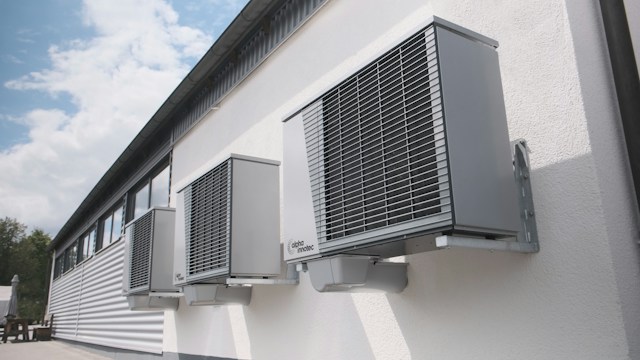
There’s usually one particular source of frustration that crops up when an air conditioner decides to pack up on the hottest afternoon of the year. One minute it’s humming along just fine, the next it’s dead as a dodo and not even bothering to cool the room past 30 degrees. That’s exactly what happens in Mandurah more often than most people would expect, and the reason is usually not a sudden blow but months of slow, sneaky degradation that an annual service could have sorted out for a fraction of the cost of a last-ditch emergency call-out.
What’s Really Going On Inside the Unit Between Services?
According to the Australian Department of Climate Change, Energy, the Environment and Water, heating and cooling accounts for between 20% and 50% of the energy used in Aussie homes and that’s just depending on which climate zone you live in. Now in Mandurah, where the suburb is right on the coast, we get both the heat of summer and the cold of winter and then there’s the salt in the air from the sea, which is just speeding up the corrosion in aircon service Mandurah components a lot faster than what happens in most inland suburbs.
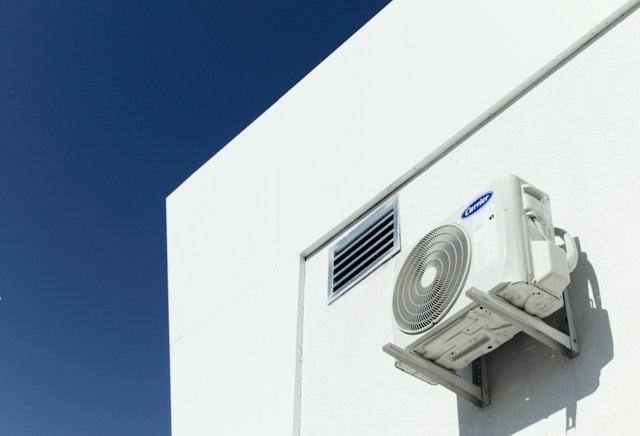
A thin layer of grime on the evaporator coils can knock the heat transfer efficiency right down and that’s not all, a bit of dust accumulation can cut cooling capacity by 15 to 20%. If the filters get blocked the fan motor is going to have to work a lot harder to get the job done and that just shortens its lifespan and makes the thing draw more power from the grid than it needs to. Then there’s the aluminium fins on the outdoor condenser units, coastal salt air just eats those away over time, and that can knock the heat rejection right down and cause you to lose refrigerant which you probably won’t even know about until the system just stops working altogether.
Low refrigerant charge is probably one of the most common hidden problems you’ll come across; a system might still be cooling but it’s going to cost more to run and do more wear and tear on the compressor which just quietly shortens the lifespan of the unit.
Split System vs Ducted: How Often You Need to Get It Serviced
Split system units near the Mandurah coast need a filter clean and coil inspection every six months, that’s more often than the usual twelve months inland because of the amount of salt in the air. Ducted systems on the other hand need to be checked for blockages, mould and any air leaks in the duct network on top of the coil and filter checks that split systems need to have done. If you’re one of the lucky ones with an evaporative cooler in your house you’ll need to drain the tank and replace the pads at the end of the season before you shut it down, and then get it serviced again before you turn it back on in the summer, because if you leave that water just sitting there all winter it’s going to cause air quality problems when you fire the thing up again and you probably won’t even notice it until it’s blown up in your face.
The Running Cost Argument for Regular Servicing
Research conducted by the Department of Climate Change, Energy, the Environment and Water revealed that equipment malfunctions lead to energy wastage of between 14 and 20% of the consumed amount per fault, with multiple faults occurring simultaneously increasing this number significantly. This becomes a monetary loss in Mandurah due to the system running for six or more months annually and costing more than annual servicing in a single season.
The dirtiness of the filter leads to the system short-cycling, which occurs as a result of starting and stopping frequently instead of completing full cooling cycles. The amount of refrigerant in the correct proportion is the key to high efficiency, since an insufficiently refrigerant-loaded system uses more electricity per unit of cooling than one properly loaded. The outdoor condenser unit struggles with dust itself and is responsible for rejecting heat; in summer this increases the head pressure and thus electricity bills before showing any symptoms of malfunction.
What to Check Before Calling a Technician?
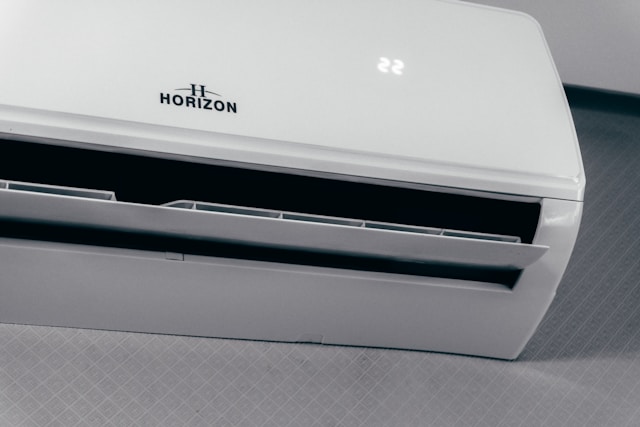
Filter maintenance is the task of a homeowner; in split systems a filter usually easily slides out, is washed with warm water and dried. A musty odour on startup indicates mould accumulation in the unit’s airway; a burning smell means an electrical issue. Icing of the indoor coil when the unit is working is either due to a blocked filter or insufficient refrigerant amount, both problems require attention from a technician. Water leaking from the indoor unit means a clogged condensate drain; clearable in some systems, this is a job for a technician for ducted drainage.
Choosing the right service requires a quick check if the technician is authorised by the Australian Refrigeration Council and has local knowledge of Mandurah’s coastal climate conditions; a local technician checks corrosion of the coils as an integral part of his work rather than in response to an obvious problem.