By late April, a Perth pool that seems nice and warm in March may very well drop to 18°C or lower. The weather is still nice, it is sunny and the days are still long; however, the pool just sits there looking perfectly swimmable and unusable for the majority of the family members. The installation of a heat pump will change the scenario in such a way that in the Perth area it will be much cheaper to run than any other pool heating system. The thing that surprises people is not the technology itself, but the pre-installation decisions that have to be made.
How the Technology Actually Works?
Pool heat pumps do not create any heat on their own. They simply move it from the ambient air to the water using the refrigeration process that works as a reverse-cycle air conditioning system. Since heat is moved rather than created, the electrical consumption of the pool heat pump is substantially less than the produced heat. This efficiency is one of the key advantages of pool heat pump installation for Perth homeowners.
The efficiency of the heat pump is described by the Coefficient of Performance (COP). A heat pump with a COP of 5 provides five times more kilowatts of heat power compared to one kilowatt of electrical power consumed by the machine. Pool heat pumps work perfectly well in Perth because of its relatively mild winters when air is not as cold as in southern Australia. The efficiency of the heat pump decreases in cold air. There are specific standards of performance for pool heating systems in Australia according to the Energy Rating program.
Getting the Size Right Matters More Than the Brand
Undersizing is the most common heat pump installation mistake in Australian residential pools. A unit too small for the pool it is meant to heat will run without stopping, drawing power continuously while never quite reaching the target temperature. Oversizing creates a different problem: the unit short-cycles, switching on and off too frequently, which wears the compressor faster and reduces efficiency in the process.
Correct sizing depends on pool volume, surface area, the desired water temperature, and crucially, whether a pool cover is in regular use. A cover makes a significant difference to the heating load. A pool left uncovered loses several degrees overnight through surface evaporation and radiation, and a heat pump sized for a covered pool will be undersized for the same pool used without one. Wind exposure matters too. A pool in a coastal Perth suburb exposed to afternoon sea breezes has higher heating demands than an identically sized pool sitting in an enclosed, sheltered garden further inland.
Manufacturer sizing guides and online calculators are a starting point, not a specification. A proper heat pump survey, where a technician assesses pool dimensions, sun and shade exposure, prevailing wind, and the layout of the equipment area, produces a recommendation based on the actual conditions of that specific installation.
Placement Is Not an Afterthought
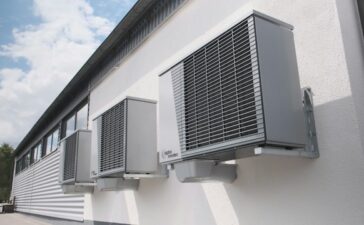
The positioning of a heat pump will affect the efficiency of the system. The unit will take thermal energy from the surrounding air. Therefore, it should be installed in such a way that it will have good ventilation both from where it takes air and where it releases it. If it is too close to the fence, wall or hedge, it will end up pulling in its own cold exhaust air, which will significantly reduce the efficiency of the heat pump. An installation concrete pad is common practice in the installation process as it acts as a shock absorber for the unit’s weight.
Electrical wiring will require a certified electrician as per WA regulations. Additionally, it will be required to install the heat pump on a dedicated electrical circuit. Moreover, the plumbing connections of the heat pump to the existing equipment train will require taking into consideration the effects of flow resistance that will occur because of the length of the piping.

Running It Efficiently Once It Is In
It will cost you much less to keep your pool at a constant temperature compared to cooling it down entirely and heating it back from cold. Synergy Perth pool owners who are on time-of-use tariffs can save quite a bit of money by programming the heat pump to run during the off-peak hours.
Inverter technology allows controlling the amount of compressor work according to the heating demand at the moment. After the pool reaches the desired temperature, the inverter will reduce the work rather than turning on and off. It will make the unit more efficient and quieter, which is essential for Perth suburban blocks since the equipment area for pools is usually close to the boundary fence.
It will be important to understand the difference between compressor and heat pump warranties before choosing the unit to buy.