
Imagine a world where books leap off the page, engaging readers in ways that traditional texts simply can’t. Enter interactive books—the next frontier in education that blends storytelling with technology. These innovative creations invite readers to touch, tap, and explore their way through narratives and lessons. Gone are the days of passive learning; today’s learners crave experiences that ignite curiosity and make knowledge stick.
As educators and parents seek new methods to captivate young minds, interactive books have emerged as a compelling solution. But what makes these dynamic tools so effective? Let’s dive into the rise of interactive literature and discover how they transform learning into an adventure filled with excitement and engagement.
The Rise of Interactive Books
The rise of interactive books marks a significant shift in how we approach reading. With the digital age at our fingertips, traditional texts are evolving into immersive experiences. These books blend visuals, sounds, and tactile elements to create multi-dimensional narratives.
Technology plays a pivotal role in this transformation. Touchscreens and apps allow readers to engage directly with content, fostering an active learning environment. Children can tap characters for sound bites or flip pages that animate illustrations.
Moreover, educational institutions are increasingly recognizing the value of these resources. Teachers are integrating learning books into lesson plans as powerful tools to enhance comprehension and retention.
As more creators enter this space, the options continue to expand. Interactive storytelling is not just about entertainment; it’s about cultivating a love for learning that captivates students’ imaginations while providing valuable skills for their future journeys.
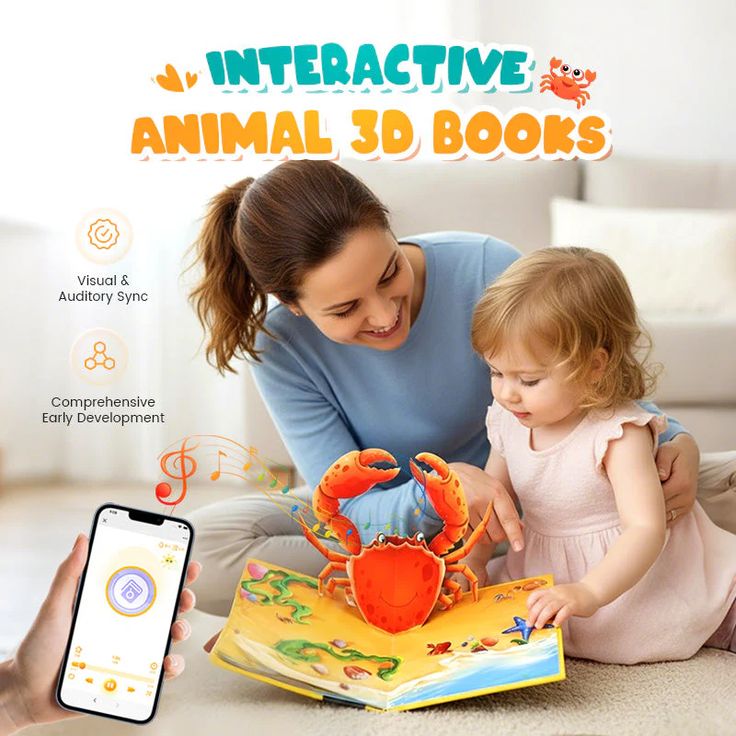
What Makes Interactive Books Different from Traditional Books?
Interactive books stand apart from traditional ones by incorporating multimedia elements that engage readers in dynamic ways. Instead of simply flipping pages, users can tap, swipe, and explore content at their own pace.
These books often include animations, sound effects, and even gamified experiences. This transforms reading into an immersive adventure rather than a passive activity.
Another key difference lies in the feedback mechanism. Interactive books frequently provide instant responses to reader choices or actions. This allows learners to see immediate outcomes based on their decisions.
Moreover, they encourage participation through quizzes and challenges embedded within the narrative. Readers aren’t just spectators; they become active participants in the storytelling process.
In essence, interactive books foster a deeper connection with material by blending learning with playfulness. They create an environment where curiosity flourishes and exploration is encouraged.
Benefits of Using Interactive Books for Learning
Interactive books transform the learning experience. They engage students in ways traditional texts cannot. With features like animations, quizzes, and touch-responsive content, learners become active participants rather than passive readers.
These dynamic elements enhance comprehension. When students interact with material, they’re more likely to retain information. This hands-on approach caters to various learning styles—visual, auditory, and kinesthetic alike.
Motivation increases too. The excitement of exploring interactive pages fosters a love for reading and learning. Students are eager to dive into subjects that might seem dull in standard formats.
Moreover, these books encourage critical thinking skills. Many interactive titles prompt users to solve problems or make decisions based on what they’ve learned. This deepens understanding while making the process enjoyable.
Collaboration is another benefit worth noting. Interactive books often include shared activities that promote teamwork among classmates while reinforcing lessons through social interaction.
Examples of Popular Interactive Books in Education
There are numerous interactive books making waves in the education sector. “Press Here” by Hervé Tullet is a delightful choice for younger readers, inviting them to engage through simple prompts that spark creativity and imagination.
For older students, “Choose Your Own Adventure” series allows readers to navigate various scenarios, promoting decision-making skills and critical thinking. Each turn leads to new paths, keeping learners on their toes.
“Story Cubes” also stands out as an innovative tool. Instead of traditional storytelling, users roll dice featuring different images and create narratives based on what they see. This fosters creative expression while enhancing vocabulary.
Another notable mention is “The Very Hungry Caterpillar—Interactive Edition.” It’s not just about reading; kids can touch elements throughout the story for an immersive experience in counting and food recognition.
These examples illustrate how interactive books can transform traditional learning into engaging adventures filled with discovery.
Incorporating Interactive Books into the Classroom
Incorporating interactive books into the classroom can transform the learning experience. Teachers have a unique opportunity to bring lessons to life in ways that traditional textbooks cannot. By integrating these dynamic resources, educators can foster engagement and critical thinking among students.
To start, teachers should familiarize themselves with various interactive book formats available today. These include digital versions that feature videos, quizzes, and animations alongside text. Physical books with pop-ups or augmented reality elements also offer hands-on experiences that capture student attention.
Collaboration is key when using interactive books in the classroom. Group activities centered around these materials encourage discussion and teamwork. For instance, students can work together on projects based on topics explored within an interactive book, further deepening their understanding.
Additionally, incorporating technology enhances accessibility for diverse learners. Interactive features can cater to different learning styles—visual learners may benefit from graphics while auditory learners engage more through audio components.
Assessment methods can also evolve with this approach. Instead of traditional tests, educators might consider creative assignments where students demonstrate comprehension through presentations or multimedia projects inspired by what they’ve read.
By embracing interactive books as part of their teaching toolkit, educators open doors to innovative ways of learning and exploration—a journey where knowledge truly comes alive for every student in the classroom.