The world of electrical installations is evolving at a rapid pace. Gone are the days when wiring and circuits were simply about getting light to turn on or off. Today, modern electrical installations encompass a wide range of technologies designed to improve efficiency, safety, and convenience in our daily lives.
As homes and workplaces become smarter, the need for effective management of these systems has never been more crucial. From energy-efficient lighting solutions to advanced security features, managing modern electrical installations requires a strategic approach that balances innovation with safety.
But what happens when things go wrong? The truth is that even the most sophisticated systems can face challenges if not managed properly. Understanding common issues that arise in electrical setups can help you avoid costly repairs and ensure smooth operation.
In this article, we will explore essential strategies for effectively managing your modern electrical installations while prioritizing safety and utilizing smart technologies for an enhanced experience.
Importance of proper management
Effective management of electrical installations ensures safety and efficiency. Proper oversight minimizes risks, safeguarding both people and property.
When systems are managed well, it leads to fewer outages and disruptions. This reliability fosters trust among users. A dependable electrical system (https://builtboards.com.au/) is crucial for everyday operations in homes and businesses alike.
Moreover, efficient management can significantly reduce energy costs. By monitoring usage patterns, unnecessary consumption can be avoided. This not only supports sustainability but also contributes to long-term savings.
Regular maintenance checks prevent minor issues from escalating into major problems. Proactive approaches in managing installations lead to seamless functionality over time.
Proper documentation also plays a vital role in this process. Accurate records facilitate troubleshooting when issues arise, making it easier to implement corrective measures swiftly
Common issues with electrical installations
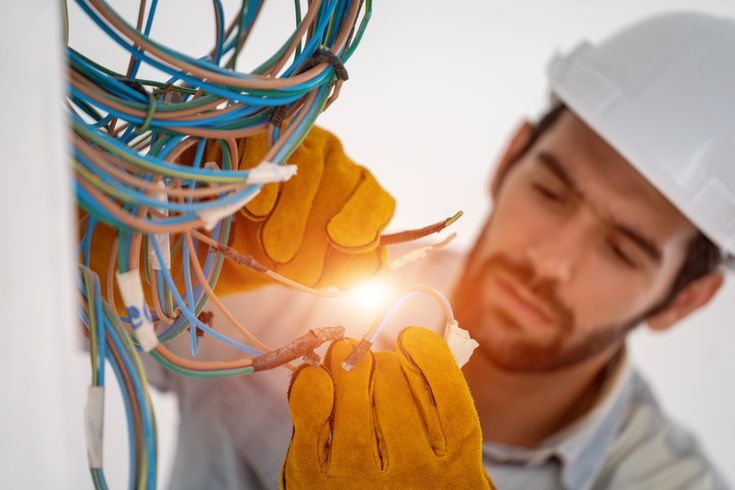
Electrical installations can often face a variety of issues that compromise their effectiveness. One common problem is faulty wiring. This can lead to short circuits, which pose significant safety hazards.
Another frequent issue is inadequate grounding. Without proper grounding, electrical systems become vulnerable to surges and fluctuations in power, potentially damaging equipment or causing shocks.
Overloaded circuits also present major concerns. When too many devices are connected to a single circuit, it risks overheating and could result in fires if not addressed promptly.
Outdated components create inefficiencies. Old circuit breakers or switches may fail to handle modern loads effectively, leading to frequent outages or malfunctions.
Addressing these issues early on can help ensure the longevity and safety of any electrical installation.
Safety measures for managing electrical installations
Managing electrical installations requires a keen focus on safety. Proper training for personnel is essential. Everyone involved should understand the risks associated with electricity.
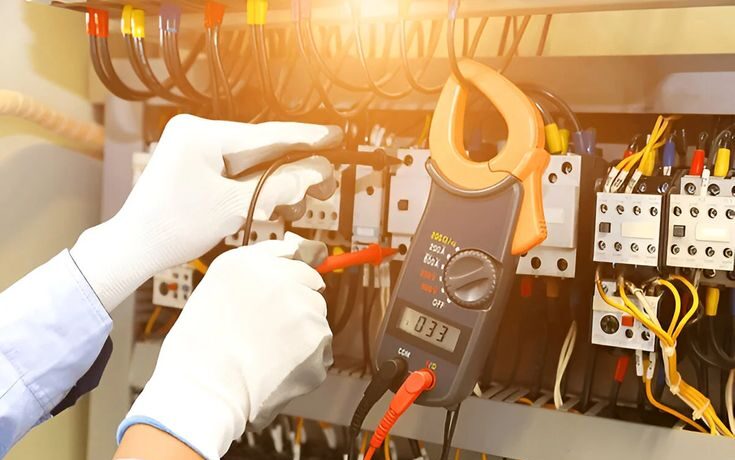
Regular inspections of equipment and wiring can prevent potential hazards. Look out for signs of wear or damage, as these often lead to larger issues down the line.
Using personal protective equipment (PPE) is non-negotiable. Gloves, goggles, and insulated tools create an additional layer of protection against accidents.
Implementing lockout/tagout procedures ensures that systems are properly shut down before maintenance begins. This practice helps eliminate accidental energization.
Creating clear signage around work areas keeps everyone aware of ongoing projects and possible dangers. It’s vital to foster an environment where safety is prioritized at all levels in the organization.
Smart technologies for better management
The rise of smart technologies has transformed how we manage electrical installations. These innovations provide real-time monitoring, automated systems, and predictive maintenance features that enhance efficiency.
Smart meters allow users to track energy consumption in real-time. This transparency enables better decision-making about usage patterns and helps identify areas for improvement. With this information at hand, property managers can make informed choices to optimize energy consumption and reduce costs.
Home automation systems also play a significant role. They can control lighting, heating, and appliances based on occupancy or time of day. By automating these functions, you not only create convenience but also promote energy savings.
Integration with mobile applications offers an added layer of management capabilities. Users can monitor their electrical system from anywhere at any time. Whether you’re adjusting your thermostat while away or checking the status of your solar panels during a storm, having remote access keeps you connected.
Artificial intelligence is another game-changer in managing installations effectively. AI algorithms analyze data trends over time to predict potential issues before they escalate into costly problems. Proactive measures like these save both time and resources down the line.
Adopting smart technologies leads to smarter decisions regarding electricity use while enhancing overall safety measures within modern installations.