The rise of electric vehicles (EVs) is more than just a passing trend; it’s reshaping how we think about transportation and energy consumption. As more drivers make the switch to EVs, the demand for efficient charging solutions grows. But where do you begin when it comes to preparing your home for this exciting new technology?
That’s where professional electricians come in. They play a crucial role in ensuring that homes are equipped to handle EV charging, making the transition seamless and safe. From understanding electrical requirements to navigating local regulations, these experts have got you covered.
Let’s dive into what it takes to prepare your home for an electric vehicle charger and why enlisting professional help is essential. With their expertise, you can easily charge up at home and enjoy all the benefits of going electric!
The Growing Popularity of Electric Vehicles
Electric vehicles have surged in popularity over the past few years, transforming the automotive landscape. With advancements in battery technology and charging infrastructure, mcintosh electrical ev charger installation insights are now more accessible than ever.
Consumers are increasingly drawn to their environmental benefits. Driving an electric vehicle reduces greenhouse gas emissions, making it a responsible choice for eco-conscious individuals.
Additionally, rising fuel prices and government incentives make owning an EV financially appealing. Many countries offer tax credits or rebates that further sweeten the deal for potential buyers.
Moreover, automakers are investing heavily in electric models. From compact cars to SUVs and trucks, there’s an EV option for nearly every preference and lifestyle.
As public awareness of climate change grows, so does interest in sustainable transportation solutions like electric vehicles. The shift towards greener alternatives is clear; people want options that align with their values while providing convenience on the road.
Understanding the Basics of EV Charging
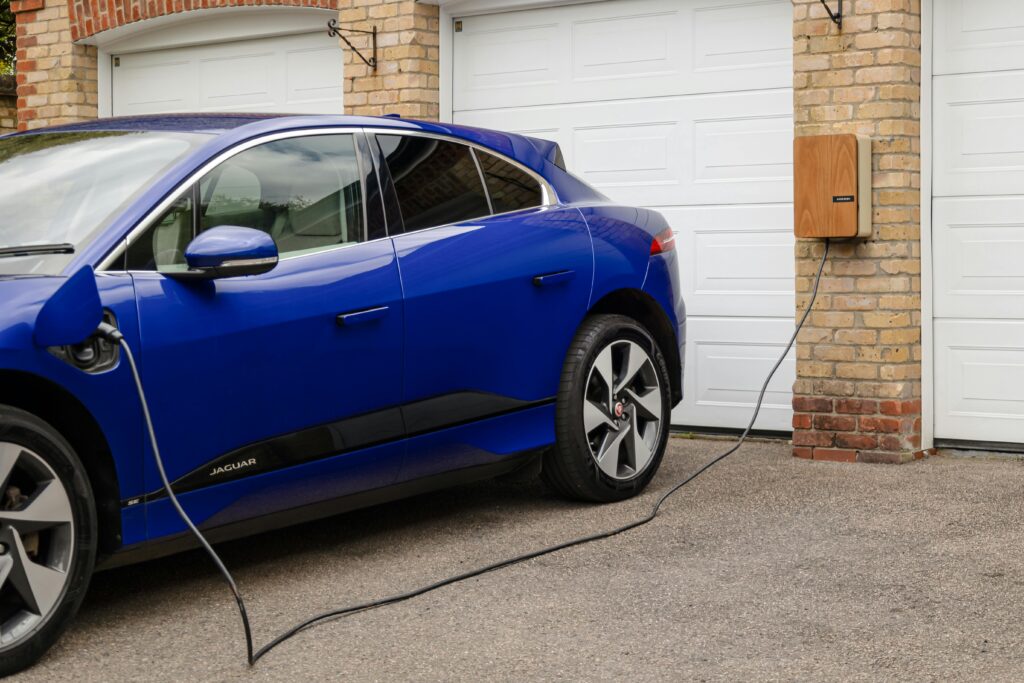
Electric vehicle (EV) charging can seem complex, but it boils down to a few key elements. At its core, it’s about transferring electricity from the grid to your car’s battery.
There are three main types of charging: Level 1, Level 2, and DC fast charging. Level 1 uses a standard household outlet and is the slowest option—perfect for overnight charging at home.
Level 2 chargers are more powerful and often installed in residential garages or public stations. They significantly reduce charge time compared to Level 1 options.
DC fast chargers provide rapid recharging on-the-go but aren’t typically used in residential settings due to their high installation costs. Understanding these basics helps you choose what suits your driving habits best without feeling overwhelmed by technical jargon.
The Importance of Professional Electricians in Preparing Homes for EV Charging
Electric vehicles are becoming a fixture on our roads, and homeowners increasingly need efficient charging solutions. This shift underscores the vital role of professional electricians.
A qualified electrician understands local codes and regulations that govern EV charger installations. Compliance is not just about legality; it ensures safety for you and your property.
These experts assess electrical systems to determine if upgrades are necessary. Older homes may require additional circuits or panel upgrades to handle the extra load, preventing potential hazards like overloads or outages.
Moreover, skilled electricians can recommend optimal locations for chargers based on convenience and accessibility. They consider cable lengths, parking configurations, and even aesthetic factors to integrate the installation seamlessly into your space.
Their expertise extends beyond installation too; they provide insights into energy efficiency. This guidance helps maximize your investment while contributing positively to sustainability efforts in your community.
Steps to Prepare Your Home for EV Charging
Preparing your home for electric vehicle (EV) charging is a crucial step toward embracing sustainable transportation. First, assess your electrical panel to determine if it can handle the additional load from an EV charger. An upgrade may be necessary.
Next, choose the right location for installation. Ideally, this should be close to where you park your EV and connected to a dedicated circuit for optimal performance.
Then, consider the type of charger that fits your needs—Level 1 or Level 2 chargers have different power outputs and installation requirements. Level 2 chargers are faster but may require more extensive electrical work.
Don’t forget about permits! Check local regulations regarding installations; some areas mandate specific guidelines or inspections before proceeding with any work. Consult with a professional electrician who specializes in EV charging setups—they will ensure everything complies with safety standards while providing peace of mind.
Common Challenges with EV Charging Installations and How Professionals Handle Them
The transition to electric vehicles (EVs) is exciting, but it does come with its own set of challenges. Homeowners may face various obstacles when preparing for EV charging installations. These include electrical capacity issues, wiring requirements, and proper placement of the charging unit.
One common challenge is ensuring that your home’s electrical system can handle the extra load from an EV charger. Many older homes might not have sufficient amperage in their panels to support a Level 2 charger. Professional electricians assess your current setup and determine if upgrades are necessary.
Wiring also plays a critical role in the installation process. Electricians will evaluate whether existing wiring meets safety standards or if new circuits need to be installed. This ensures that everything operates efficiently without risking overload or fire hazards.
Another consideration is site assessment for optimal charger placement. An accessible location makes frequent use easier while minimizing inconvenience during installation. Electricians are skilled at finding solutions that best fit both functionality and aesthetics.
Professionals help navigate local regulations and permits required for EV installations, which can vary significantly by region. Their expertise streamlines this often-complicated process so homeowners can focus on enjoying their new electric vehicle rather than stressing over logistics.
By enlisting professional help, you ensure a safe, efficient setup tailored to your home’s needs while paving the way for a seamless transition into the world of electric driving.