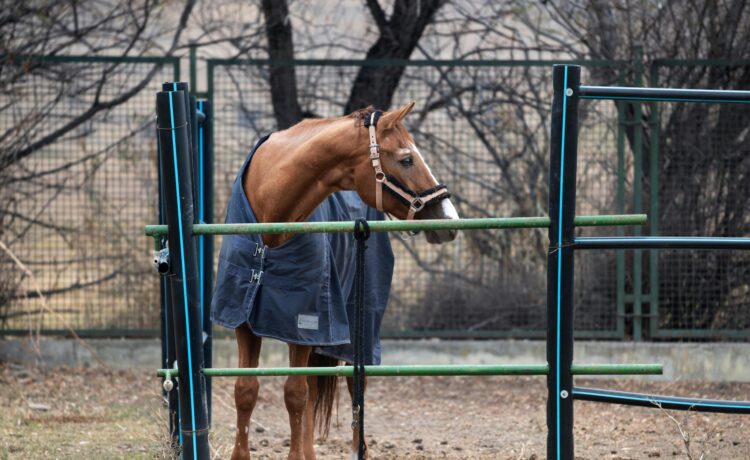
Finding the right horse rug is a bit like searching for the perfect pair of shoes. It needs to fit just right, allowing your equine friend to move freely while keeping them warm and comfortable. A well-fitted horse rug can make all the difference, whether you’re braving chilly winter nights or shielding your horse from pesky bugs in summer.
When it comes to selecting a rug, proper measurements are crucial. An ill-fitting rug can lead to discomfort or even health issues for your horse. With so many styles and materials available, how do you ensure that what you choose will be suitable? Fear not! We’ve got you covered with everything from understanding different types of rugs to step-by-step measuring techniques that guarantee a snug fit every time. Let’s saddle up and dive into this essential guide!
The Importance of a Properly Fitting Horse Rug
A properly fitting and affordable winter horse rugs online horse rug is vital for your horse’s comfort and well-being. When a rug fits correctly, it allows freedom of movement without chafing or rubbing against the skin. This means your horse can graze, trot, and roll without any restrictions.
Additionally, the right fit helps maintain body temperature. A snug but not tight rug insulates during colder months while allowing breathability in warmer weather. This balance prevents overheating or excessive cold exposure.
Health issues can arise from poor-fitting rugs as well. Rubbing can lead to sores or irritations that may require veterinary attention. These problems can cause anxiety for both you and your horse.
Moreover, a good fit reflects on overall performance. A comfortable horse is more likely to perform better in training sessions and competitions, making the search for that perfect rug worth every bit of effort.
Understanding Different Types of Horse Rugs
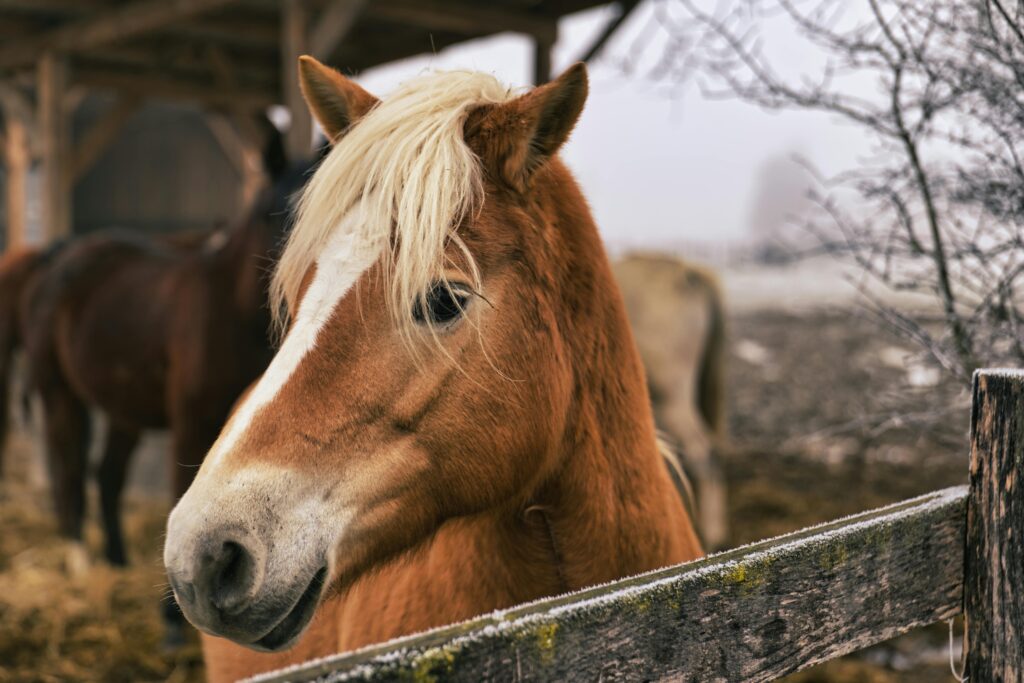
Horse rugs come in various types, each designed for specific needs and purposes. Understanding these options can help you make the best choice for your horse.
Turnout rugs are ideal for outdoor use. They offer waterproof protection while allowing breathability. These rugs keep your horse warm and dry during rainy or chilly weather.
Stable sheets are lighter and often used indoors. They provide warmth without bulk, perfect for maintaining body temperature when a horse is stabled.
Fleece rugs serve multiple functions as they wick moisture away from the horse’s coat. They’re excellent after bathing or exercising to prevent chills.
Cooler rugs assist in regulating body temperature post-workout by helping to cool down your horse effectively.
Each type of rug has its unique features tailored to different environments, so knowing what suits your equine friend best is key to their comfort and well-being.
Step-by-Step Guide to Measuring for a Horse Rug
Measuring your horse for a rug can seem daunting, but it’s quite straightforward. Start by gathering a soft measuring tape and some help if possible.
Begin with the length measurement. Stand your horse on level ground. Measure from the center of their chest to the point where their tail starts. This will give you the correct length needed for the rug.
Next, measure their girth. Wrap the tape around their belly, just behind their front legs. Make sure it isn’t too tight or loose; you want an accurate reading.
After that, check shoulder width and neck size if you’re looking for specific styles like combo rugs. For shoulder width, measure across at its widest part.
Take note of all measurements in inches or centimeters so you can compare them against sizing charts when shopping for rugs later on!
Common Mistakes to Avoid When Measuring for a Horse Rug
When measuring for a horse rug, accuracy is key. One common mistake is not accounting for the horse’s build. Each breed varies in shape and size, so take into consideration their shoulder width and girth.
Another error is skipping the measurements altogether or relying solely on previous rug sizes. Horses can change in weight or muscle tone, making past sizes unreliable.
Measuring over thick winter coats can also lead to discrepancies; always check while your horse is clean and dry.
Don’t forget to measure with proper equipment, like a soft tape measure rather than a rigid one that could give inaccurate readings.
Ensure you have someone steadying your horse during the process. A fidgety equine can throw off your measurements easily!
Adjusting and Maintaining the Fit of Your Horse Rug
Having a well-fitting horse rug is just the beginning. Over time, adjustments may be necessary as your horse’s body shape changes due to growth or weight fluctuations. Regularly check the fit of your rug and make any needed alterations.
Start by ensuring that the straps are not too tight or too loose. If you notice rubbing or chafing in certain areas, it might indicate that the rug needs adjusting. Some rugs come with adjustable closures; take advantage of these features for a customized fit.
Maintenance is equally important. After each use, inspect your rug for wear and tear and clean it according to care instructions. Proper storage also plays a role—store rugs in a dry place away from direct sunlight to prevent damage.
By regularly adjusting and maintaining your horse’s rug, you’ll ensure comfort while extending its life significantly. Taking these steps helps keep your equine friend happy and protected against changing weather conditions.