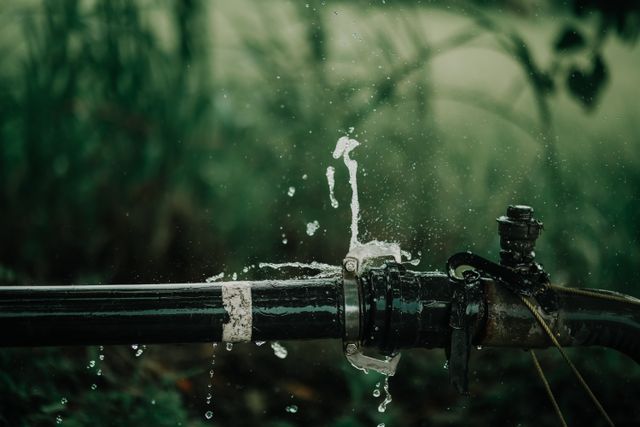
Underground water leaks remain one of the biggest headaches for water utilities all over Australia and it’s a costly headache at that. Australia’s water sector is in charge of over 900,000 kilometres of water mains, a lot of which has been around for a while and is now getting pretty leaky and prone to bursting. Those underground leaks are causing a whole host of problems including water being lost, infrastructure going downhill, more energy being used, and bills going up.
The way things have traditionally been done is to use acoustic surveys and manual inspections, which let’s be honest often only turn up the problem after a significant amount of water has been wasted. But things are starting to change now that we’ve got Artificial Intelligence (AI) in the mix. AI lets us do real-time analysis, automatically identify faults, do predictive maintenance, and keep an eye on the whole network.
The Shift from Blundering Around to Data-Driven Monitoring
Leak detection systems traditionally rely on field technicians using cool gadgets like acoustic listening devices, correlators, or a pressure monitoring kit. While these are alright in very specific situations, they are a real pain to use and often get knocked back by things like background noise, soil conditions, and the general chaos of the network. Modern AI systems take all the data coming in from the water network and let us pick up on anomalies way earlier.
By linking up leak detection equipment with AI platforms we can stop just doing periodic checks and start keeping an eye on things all the time. Research on water distribution networks has found that machine learning models like Random Forest, Decision Tree, and K-Nearest Neighbour can pick out normal operation, leaks, and major bursts pretty easily by looking at pressure and flow data. That’s a big step forward. It means we can fix problems a whole lot quicker, and reduce water waste.
Machine Learning Really Helps with Leak Spotting Accuracy
Machine learning has become a really important part of advanced leak detection because it can deal with big volumes of data that would be impossible to get through by hand. Unlike older systems that rely on making sure things are above or below a certain level, machine learning models can keep learning from the network as it goes along.
Some recent studies looked at all sorts of machine learning algorithms for water pipeline monitoring and found that a bunch of them were actually pretty good at spotting leaks. One study actually found that Deep Neural Networks were able to detect leaks with over 90% accuracy. And that’s really crucial in cities like Adelaide where you’ve got buried pipes, road noise, and all sorts of other factors that can make it harder to spot leaks.
Spotting Patterns Makes Acoustic & Pressure Analysis a Whole Lot Smarter
Pattern recognition lets AI systems pick out tiny anomalies that would have flown under the radar if we were just doing things manually. Underground leaks leave behind a unique signature of sound and pressure that’s different from the usual network activity.
Predictive Maintenance: The Game Changer for Infrastructure Failures
One of the biggest game changers brought about by AI is the switch from patching things up after they’ve broken to actually being able to predict when they’re going to break. AI models are now capable of looking at an infrastructure and giving a good idea of just how likely it is to start leaking in the near future.
Predictive systems bring together all sorts of bits of information like sensor data and details on the condition of the actual assets, like the age of the pipe and the type of pipe it is, plus the soil conditions and what kind of operating pressure it’s under, all of which help the system get a good idea of what’s likely to happen. Some Australian trials have shown that predictive analytics can spot sections of pipeline that are at a high risk of failing with a pretty impressive 80% accuracy before anything actually does go wrong. That means maintenance teams can start to plan repairs a lot more strategically than just running around putting out fires.
The financial impact of this change is pretty significant. Emergency repairs are always way more expensive. You’re talking higher labour costs, traffic disruptions, damage to property, and water loss. Predictive maintenance lets utilities make better use of their resources, extend the life of their assets, and even cut down on long-term capital spending.
Smart Utility Networks: The Secret to 24/7 Visibility
The real value of AI kicks in when it’s integrated into smart utility networks. These networks bring together sensors, digital meters, cloud platforms and all sorts of other tech to give utilities real-time visibility of their water distribution systems.
Modern smart water networks crank out a huge amount of data from pressure sensors, acoustic loggers, flow meters and fibreoptic monitoring systems. AI can process all that information as it’s happening, which lets utilities spot anomalies right across their pipeline systems. Fibreoptic sensing tech can even monitor long stretches of pipeline and pinpoint exactly where any leaks are right down to a few metres, rather than whole kilometres.