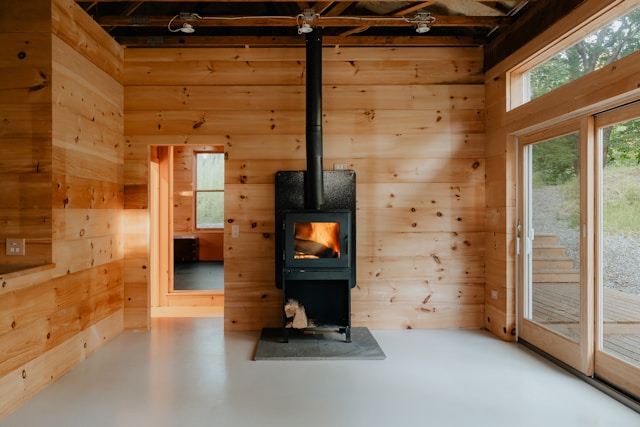
Wood fire heaters are a practical heating solution across Australia, with heaters being reliable, independent of electricity, and able to warm a home in cold months. However, burn duration varies enormously between models, and the difference is not accounted for by the wood. Research and performance testing have consistently identified firebox geometry, airflow management, and combustion technology as the main factors that determine how long a heater will run on a single load, and the most valuable information a buyer can learn before making a choice is why two heaters burning the same fuel can produce vastly different results.
Firebox Size Sets The Ceiling On Burn Duration
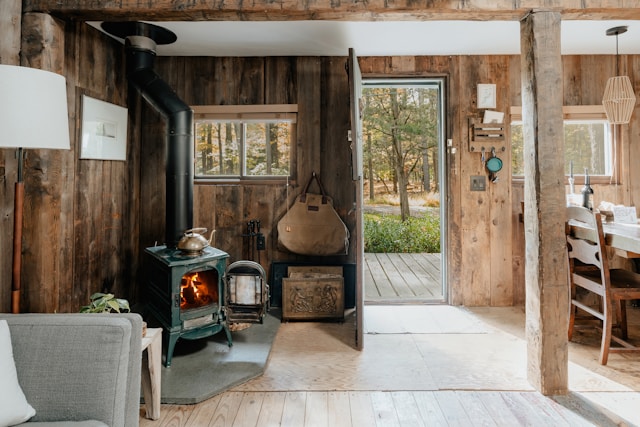
One of the most direct influences on burn time is firebox depth, as a deeper firebox can hold longer logs and a greater total volume of fuel, resulting in more energy stored per load: manufacturer testing data indicates that fireboxes over 0.085 cubic metres can achieve burn cycles of about 9 to 10 hours, while units with volumes under 0.042 cubic metres typically deliver only 3 to 5 hours under comparable conditions. That’s approximately double the burn duration based on firebox volume alone, before any other engineering factor is taken into account.
When evaluating wood fire heaters Rockingham and across Australia, firebox size should be considered as carefully as heating output ratings, because a heater that will take 600 mm logs will hold considerably more fuel than one that is limited to 300 to 350 mm logs, and that fuel volume is the key to having the fire last all night without having to rekindle in the morning. The increased mass results in a slower release of heat than would occur if there were less fuel to burn.
Airflow Control Is What Separates Efficient Burning From Fast Burning
Wood combustion is a process that needs oxygen to take place, but excessive air speeds up the rate of fuel consumption without increasing the efficiency. Modern heater designs airflow paths that optimise combustion efficiency while maintaining a long burn time. Primary air is used for ignition and flame establishment; secondary air is introduced further up the firebox to burn the products of pyrolysis of heated timber the products that contain much of the energy in the wood. Tests of wood heater operation indicate combustion efficiency ranging from about 68% to 98% under various burn conditions and airflow control, an extremely broad range for what is essentially the same basic technology.
Because this airflow is not well regulated, the fuel burns quickly and large heat losses occur through the flue. With controlled air delivery, however, fuel consumption is slowed and combustion remains stable even though two heaters of the same physical size can produce burn durations that differ significantly, and it is the airflow system that is responsible for as much of the difference in burn duration between models as any other single factor.
Secondary Combustion Captures Energy That Older Designs Waste
A significant amount of the energy contained in wood is found in combustible gases given off as timber heats; in older heater designs, much of this gas escapes up the chimney unburned energy that was never converted into heat for the room. Modern secondary combustion systems reintroduce heated oxygen into the upper section of the firebox to ignite these gases before they exit the appliance. Performance data for Australian-certified heaters show that several modern models achieve average efficiencies of between 67% and 83% while maintaining burn times of over 10 hours. Advanced systems are now available that reduce particulate emissions to as low as 0.7 to 1.5 grams per kilogram of wood burned.
Insulation, Materials, And The Technology That Pushes Burn Time To Twelve Hours
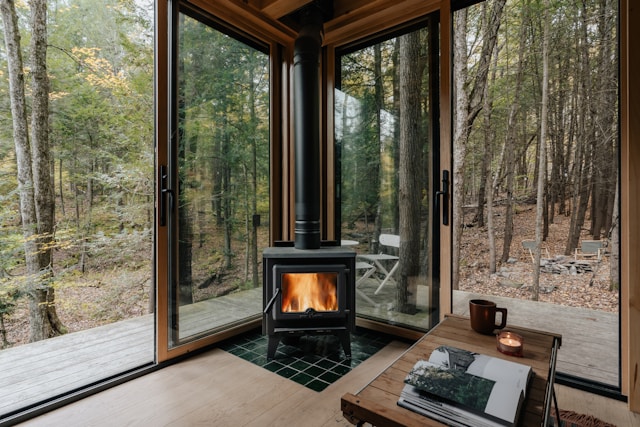
What materials lining the firebox will affect the length of time that stable combustion can be maintained? Firebrick linings and ceramic baffles retain heat in the combustion chamber, ensuring that internal temperatures remain high enough for complete gas ignition even when airflow is reduced. Testing has shown that well-insulated fireboxes can maintain combustion stability at lower burn rates without extinguishing, allowing more fuel to be consumed over a longer period and for heating cycles to last longer which is why full firebrick linings with ceramic baffle systems are often used in modern Australian heaters.
Under laboratory conditions, catalytic and hybrid combustion systems can achieve burn times of 12 hours and efficiencies near 90% at the high end of performance, but they cost more to make and thus to buy. The most efficient systems for extending burn time while reducing emissions are catalytic and hybrid combustion systems, which ignite smoke particles and gases at temperatures lower than conventional secondary-burn designs, capturing energy that would otherwise exit through the flue.