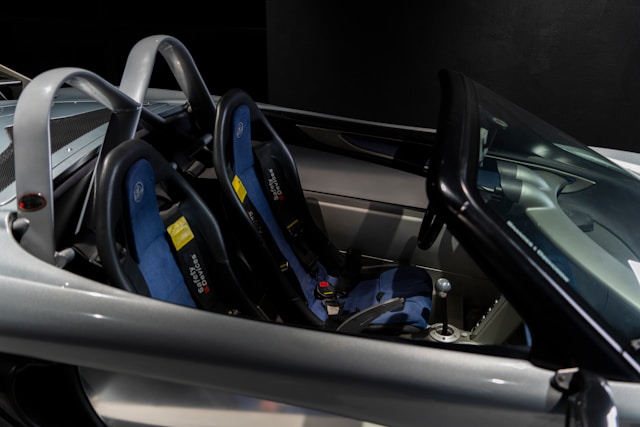
A factory bucket seat gets the job done. But a purpose-built racing seat does something entirely different. It holds you so tightly that the car becomes part of you. You start to feel its every move through your body, rather than just around it. That’s not just a nuance, it’s a game-changer for Aussie drivers who live for building track cars or regularly attend circuit days, and it affects every decision you make after that.
To start with, it’s not about what brand you choose, or even how much you want to spend. Car racing seats come in many forms, but FIA-rated seats and ADR-compliant seats are two completely different leagues. Getting this first step wrong will have you dead in the water, no matter what seat you go with next.
Fixed Back vs Reclining: Which Shell Suits Your Purpose?
In the world of sanctioned circuit racing, fixed-back seats are the default choice. Pair one with a multi-point harness and you’ve got a rigid prison cell on wheels, albeit one that moves perfectly in sync with the car, keeping you exactly where you need to be through cornering, braking and the like.
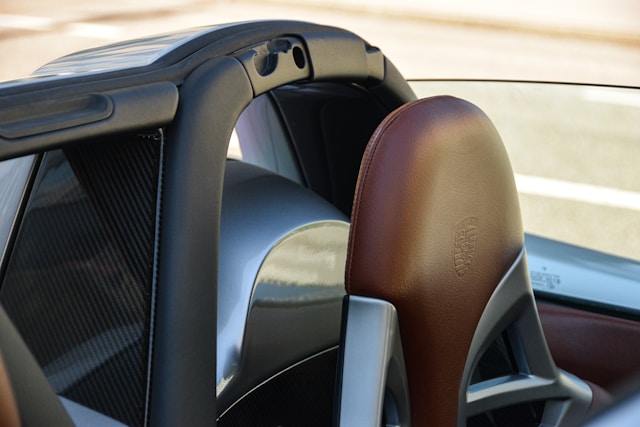
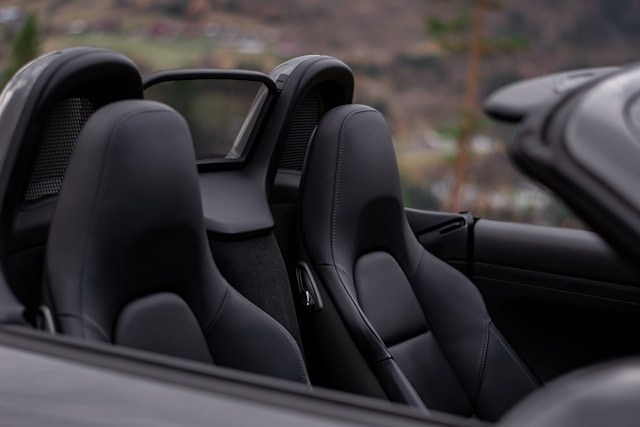
Then there are reclining sports seats, designed for drivers who want to push hard on the weekend but still drive their car home afterwards. These seats serve a dual purpose. They give you that extra bit of support when you need it, without becoming a hassle to use every day. It also depends on the brand. A seat that’s a perfect fit for an Mk1 Swift isn’t necessarily going to work in a Subaru BRZ track build without a fair bit of adjustment to the mounting rails.
Materials and the Weight Trade-Off
If you’re into drag racing or speedway, you’ll know that an aluminium shell is the way to go. They’re light, tough and make no bones about what they’re built for. Fibreglass seats take it up a notch in terms of support, while remaining more affordable. They’re a good fit for time attack and club circuit builds, offering strong performance without the premium price tag.
What Sanctioned Racing Actually Requires?
Motorsport Australia has one pretty clear requirement for circuit events: your car’s interior has to be logbook-compliant, and the seat plays a big part in that. FIA 8855-1999 and the standards that followed are what qualify. The important detail is that those approvals only remain valid for a limited period, based on when the seat was manufactured, not when you bought it. That catches a lot of people out. You can pick up a second-hand seat from a classified ad that looks perfect, fits properly and costs far less than a new one. If the manufacture date places it beyond its approved period, you won’t be able to use it in a sanctioned event, regardless of its condition. Buying from a reputable importer with all the paperwork sorted isn’t just being cautious, it’s being smart. Racer Industries, a well-established direct importer, provides the necessary documentation as part of the sale. Not every seller does the same.
Budget Realities and Where Australian Buyers Shop
The Australian market offers plenty of options through direct importers and specialist retailers, with seats to suit almost any budget, from sub-$300 aluminium shells to carbon race seats costing several thousand dollars. If you’re shopping around, Revolution Racegear and VOSTA are two names worth knowing, along with Racer Industries, which handles a significant amount of direct importing.
Then there’s the second-hand market and, let’s be honest, there are some genuine bargains to be found if you do your homework. Factory Recaro seats from dismantled Toyota 86 and Subaru BRZ models are high quality, and you can often find good deals on Gumtree. The challenge is that sellers don’t always volunteer the information you need to confirm whether the seat is still eligible for sanctioned motorsport use.