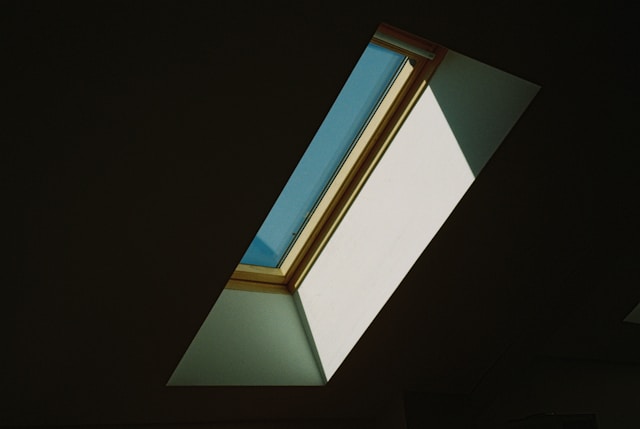
A roof window is not a skylight, although they are sometimes used interchangeably in most casual conversations about natural light. The difference is significant when a buying decision is being made. Skylights are vents unable to be substantially opened for light to get in. A roof window which normally pivots to open fully on the centre and is used in pitched roofs that are readily accessible to the person using the window. They serve a dual purpose as both a source of light and ventilation. The answer to this is the combination of just that, which makes a dark room into something entirely different. Because of this, loft conversions, bedroom renovations, home studios or any other living room that is structurally restricted to access by wall windows might make for a better option than using a skylight.

Skylight or Roof Window: Knowing Which One the Room Needs
All other decisions are a result of the functional difference. Fixed skylights can be used in places where there is no need for ventilation, or may be adequate if adequately ventilated in other ways. Examples include hallways, buildings with large open-plan interior bathrooms, and deep rooms. Vented skylights typically have very small letdowns, and the mechanical mechanism is typically also smaller than that of purpose-built roof windows. Roof windows open like a regular window (casement or pivot). They are suitable for roofs having a pitch of 15-75 degrees, and accessible to a person inside the space.
The Light Argument: Numbers That Matter
The geometry of the roof window or skylight, it allows 1/3+ times more light to enter the room than does a vertical wall window of the same size and window area. The roof position takes in a larger arc of the sky. It is not shaded for extended periods of time by structures, fences or neighbouring buildings when exposed to shadow from a wall window. For anyone living in Melbourne this is not just a minor change as the rooms are pretty dark in autumn and winter. An artificial light requirement of 3 pm in June in a room may be met easily after the installation of a roof window in Australia.
Ventilation, Air Quality, and Why This Matters More Than It Looks
The case for ventilation through roof windows is often overlooked. It is simple physics, warm air rises. By opening a roof window at the top of a room, you create a thermal exhaust path that no wall window at shoulder height can match. During summer, this passive stack ventilation removes heat from the room without mechanical assistance. A low-level window or door open on the opposite wall, it creates valuable through-flow.
In bathrooms that do not have sufficient exhaust ventilation, kitchens without extraction, or any space where moisture accumulates on a regular basis, this is not an aesthetic consideration. It is a mould and indoor air quality issue. Conditions favourable to mould growth are lowered moisture, lowered still air, and lowered temperature differentials. A roof window that can be opened for even short periods each day addresses all three. Roof window models from Melbourne-based Garron Skylights are double-glazed and can be opened to lockable positions suited to Melbourne’s temperature range, with configurations where security is a factor for rooms at roof level.

Compliance, Brands, and the Installation Conversation
Two of the most commonly stocked roof window brands in Australia are Velux and Keylite. Keylite units are distributed nationally by Natural Lighting Products, while Velux products are available through building suppliers and ArchiPro-listed specialists. Vivid Skylights, which is locally manufactured in Melbourne, supplies the Queensland market and has documented compliance with Australian Standards AS 4285, AS 4055, and AS 1288. Roof windows installed in Australia are required to comply with the relevant National Construction Code requirements, state fire and bush fire construction standards, and the structural loading specifications for the roof type being penetrated.
Roof window installation is not a tradesperson-agnostic job. The penetration through the roof, the structural framing around the opening, the flashing system, and the internal lining work all require competence specific to the product being installed. Warranty and insurance conditions are tied to professional installation, and the waterproofing integrity of the system depends on it. A roof window installed incorrectly does not fail on a dry day in March. It fails during the first heavy rain event in August, at which point the cost of remediation is far higher than professional installation would have been. There are no savings in the installation conversation.