As electric vehicles continue to revolutionize the way we think about transportation, home charging solutions have become a hot topic for new and existing EV owners alike. Imagine waking up each day with a fully charged vehicle, ready to take on your commute without the hassle of searching for a public charging station. Sounds like a dream, right?
But before you rush out to install that sleek charger in your garage, it’s essential to understand what goes into setting up an efficient home charging system. From choosing the right type of charger to anticipating installation costs, there’s more beneath the surface than meets the eye. Let’s dive deeper into how you can make informed decisions about your home charging solution and ensure you’re prepared for all aspects of this exciting transition.
Types of Home Charging Solutions
When it comes to home charging solutions, options vary widely. The most common choices include Level 1 and Level 2 chargers. When considering what affects the cost of installing a home EV charger in Sydney and how to budget, several key factors come into play, including the type of charger, your home’s electrical capacity, and installation complexity.
Level 1 chargers are often the simplest. They plug directly into a standard household outlet. This option is convenient for those who don’t drive long distances daily. However, charging times can be slow, sometimes taking overnight or longer.
On the other hand, Level 2 chargers provide a faster solution. These require installation of a dedicated circuit but significantly reduce charging time—sometimes down to just a few hours. Ideal for electric vehicle (EV) owners with busy schedules or frequent travel needs.
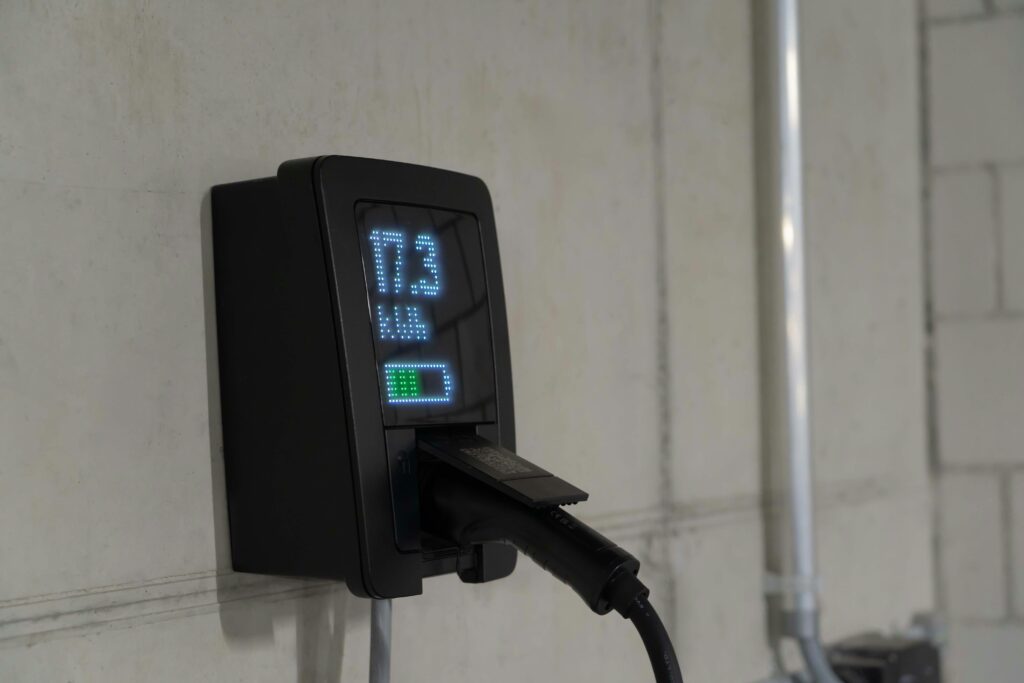
Some homeowners even opt for smart chargers that connect to mobile apps. These devices offer features like scheduling and energy monitoring, enhancing convenience while being eco-friendly.
Solar-powered charging stations are also gaining popularity among environmentally conscious individuals. Harnessing renewable energy adds another layer of sustainability to your home setup!
Factors to Consider Before Choosing a Home Charging Solution
Choosing the right home charging solution isn’t just about convenience. It’s essential to think about your vehicle’s specific needs.
Start with your daily driving habits. Consider how far you typically travel each day and what type of electric vehicle you own. This will help determine the charging speed required.
Next, examine your home’s electrical capacity. An older home might need an upgrade to support a more powerful charger.
Location matters too; ensure that the installation site is easily accessible. It should allow for safe connection without obstructions.
Don’t overlook local incentives or rebates related to EV charging installations in your area, as these can significantly impact costs.
Research manufacturers and warranty options available for chargers. A good warranty can save money on repairs or replacements down the line.
The Cost of Installation and Equipment
When considering home charging solutions, installation costs can vary significantly. A basic Level 1 charger might not require professional help, but for a Level 2 unit, hiring an electrician is usually necessary.
The price of the charger itself also plays a role. While some models are more budget-friendly, others boast advanced features that can drive up expenses. It’s essential to weigh these options against your needs.
Wiring upgrades may be required too. If your electrical panel isn’t equipped to handle additional load, you could face further costs related to upgrades or modifications.
Don’t forget permits and inspections if they’re required in your area. These can add another layer of expense but ensure safety and compliance with local codes.
Taking all these factors into account will give you a clearer picture of what it truly costs to set up home charging effectively.
Additional Costs and Savings
When considering home charging solutions, it’s important to take a closer look at the additional costs and potential savings that can arise. While the initial investment might seem steep, long-term benefits could offset those expenses.
Electricity rates vary by location and time of use. Charging your vehicle during off-peak hours can lead to significant savings on your energy bill. Some utility companies even offer special rates for electric vehicle (EV) owners, making an overnight charge more economical.
Maintenance is another aspect worth keeping in mind. Home charging stations typically require minimal upkeep compared to gas-powered vehicles which may incur higher maintenance costs over time. EVs generally have fewer moving parts, leading to lower repair bills as well.
Moreover, some states provide incentives or rebates for installing home charging equipment. These financial benefits can help reduce upfront costs significantly and encourage sustainable practices among homeowners.
It’s also essential to consider resale value when choosing a home charging system. As electric vehicles grow in popularity, having a reliable home charger could make your property more appealing if you decide to sell down the line.
Weighing these factors against the cost of fuel for traditional vehicles presents a compelling case for adopting home charging solutions. Understanding both immediate and future impacts will empower homeowners to make informed decisions tailored to their lifestyle needs while embracing eco-friendly technology.