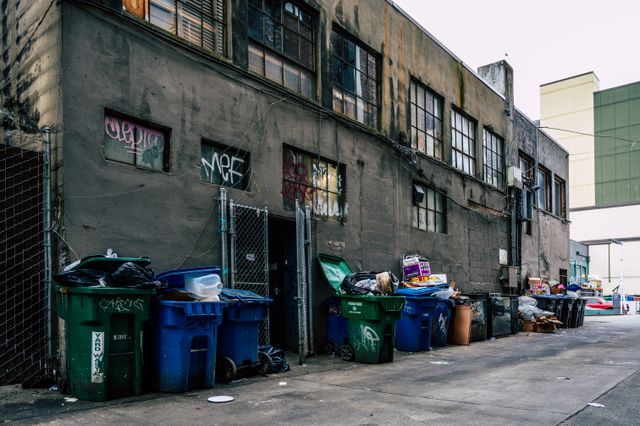
Here is a situation that pops up in Melbourne’s suburbs far too often. A family junks out an assortment of old furniture, a busted appliance and a mattress on what they believe is their hard rubbish week. The council truck rolls through, picks up 2 of the 3 and leaves the mattress on the nature strip. Two days later, the neighbour ratchets up the pile. It just keeps growing, the council’s all “no way, mate, that wasn’t us”, and the original resident is left with a problem on their hands that started off as just a reasonable attempt to use the service as it was meant to be used.
How Melbourne’s Hard Rubbish System Actually Works; Don’t Believe The Rumours
Victoria has 79 local government areas, 31 of which fall under the greater Melbourne metropolitan area. The problem is, each council runs its own hard rubbish collection Melbourne program under its own specific waste management strategy. A service operating in Boroondara might be working on a different set of rules to the equivalent program in Brimbank, Stonnington or Casey.
Some councils offer on-demand booking systems. Residents can book a time slot and put out a specified amount of material to be collected. Others just run on a regular street collection round, say every 6 months or so, on a suburb-by-suburb rotation. Then there are some Melbourne councils that’ve completely done away with kerbside rubbish collection and are using vouchers to let residents get rid of their unwanted stuff at transfer stations.
The EPA publishes an annual rundown on council waste service performance. Through the Victorian local government waste data dashboard, they keep track of how much kerbside rubbish is collected and what happens to it across all the municipalities in Victoria. That data shows that there’s a real mixed bag when it comes to what gets accepted and what doesn’t get picked up, and this is especially true in the metropolitan area.
What Hard Rubbish Actually Is and What Gets Left Behind?
Hard rubbish is the official term for big household items that don’t fit into your standard kerbside rubbish bins. Think old furniture, white goods, mattresses, timber, metal and all the rest. The name sounds pretty broad but there are lots of specific exclusions that apply to most Melbourne programs.
Most councils won’t accept gas bottles, tyres, paint tins, or other household chemicals, asbestos or clinical waste either. Then there’s e-waste like TVs, computers and printers. In Victoria, you can’t just chuck those things in the bin; you’ve got to take them to a special drop-off place. Some councils will accept e-waste but not if you just put it out on the kerb; that stuff’s got to be handled separately.
If you put something at the kerb outside of the designated collection time, or if it’s something the council program doesn’t accept, then it’s still your responsibility. And the thing is, people keep making the wrong assumption about what that pile of rubbish represents.
The E-Waste Complication That Is Causing Problems For Melbourne Residents
Victoria made it mandatory for e-waste to be taken out of landfill in 2019, but this creates a compliance obligation that most people have heard about but struggle to follow effectively. Television, computer, monitor and printer items thrown out in the hard rubbish pile will go into landfill illegally, no matter how aware the individual is of the regulation.
Victoria has set up dedicated e-waste drop-off facilities in Melbourne in transfer stations and partnership drop-off locations, but the facilities and their opening times do not always fit in well for all residents or situations. Private rubbish removal companies that have commercial e-waste processing facilities can manage the problem compliantly and efficiently in one visit while combining the task with the disposal of general hard rubbish in ways that council kerbside schemes simply cannot.
When Booking With The Council Is Not The Solution?
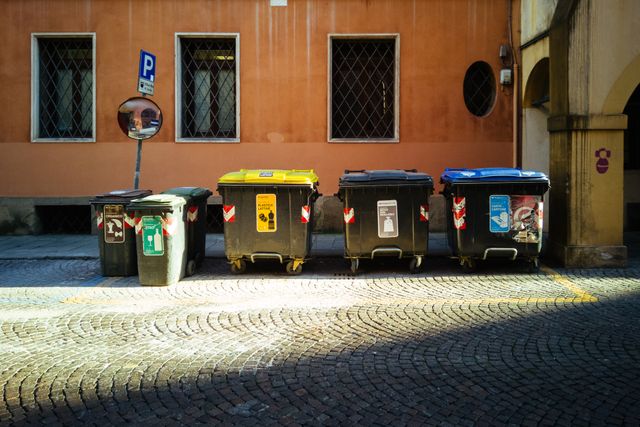
Dead estates, property clear-outs, lease vacates and building renovations all need completion times that council hard rubbish collections do not fit into. Having a booking system with a collection window in six to eight weeks’ time does not solve the problem that needs solving in 48 hours prior to the transfer of a property or lease ending.
The heavy items include large appliances, full wardrobes, whitegoods and concrete items for gardens, which present significant physical hazards for those who lack the right equipment and help. Hard rubbish removal professionals will lift, load and transport all of the items safely without having to put any strain on the property occupier, completing the entire clean-out in one visit that also includes sorting and proper disposal of different waste streams.
The pile that sits at the kerb awaiting council collection becomes an attraction for additional illegal dumping in just days. Other residents see a pile and think of it as a collection point. The original owner’s manageable clean-out process turns into a bigger problem that is increasingly difficult to argue is not somebody else’s responsibility when additional items have been dumped there. Hard rubbish removal quickly via a private company takes care of this issue completely, and even saves money compared to hiring a skip and booking council pick-ups multiple times.